
 LU konference
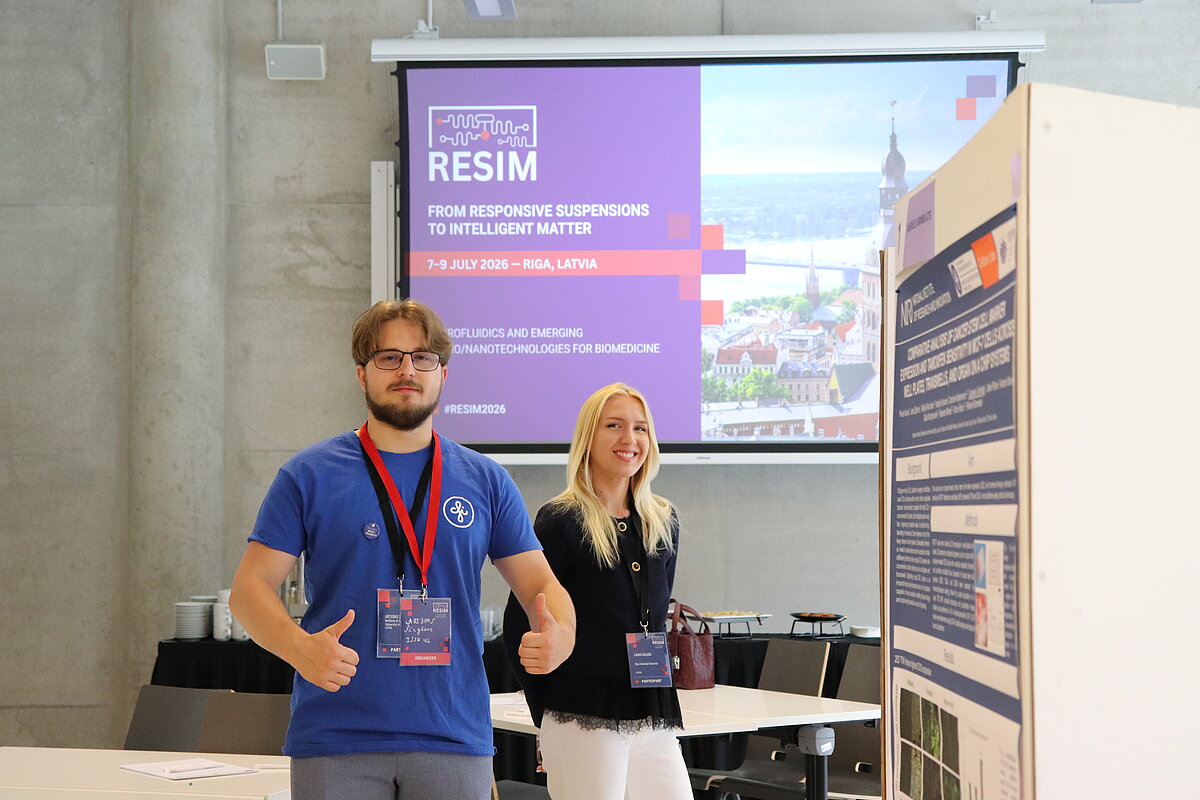
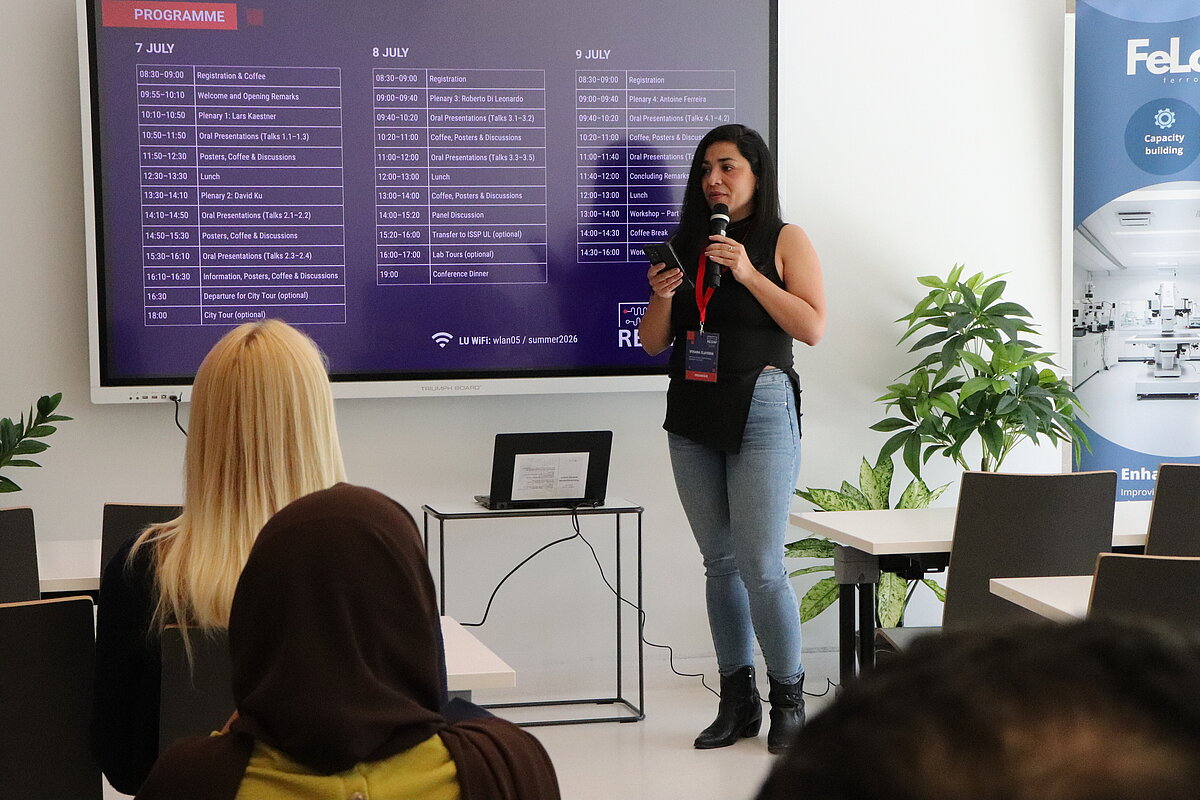
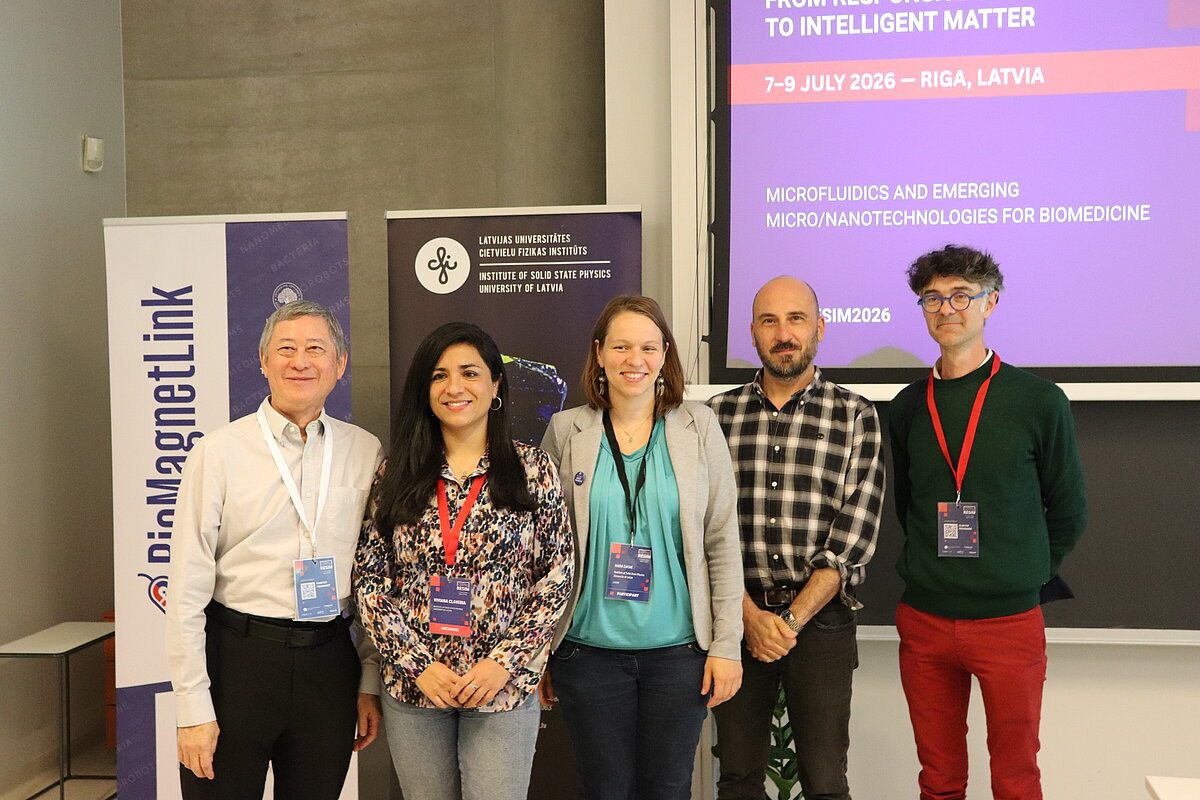
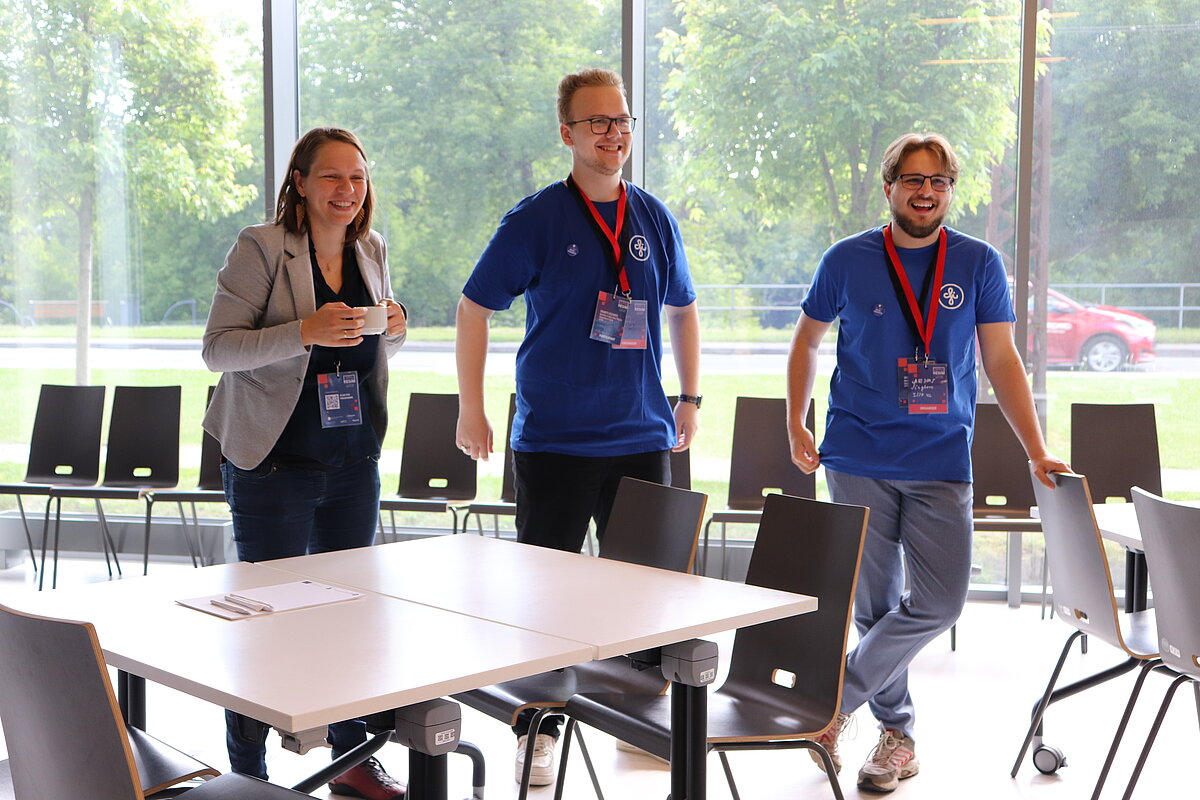
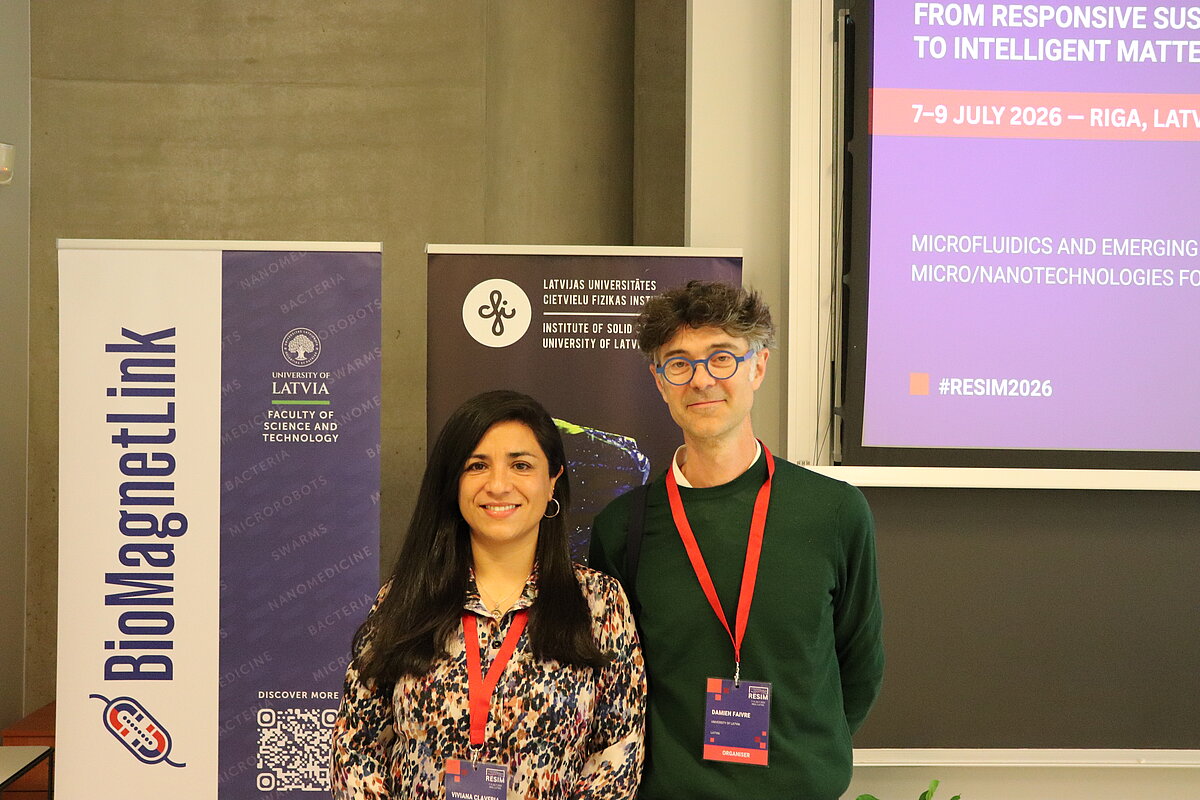
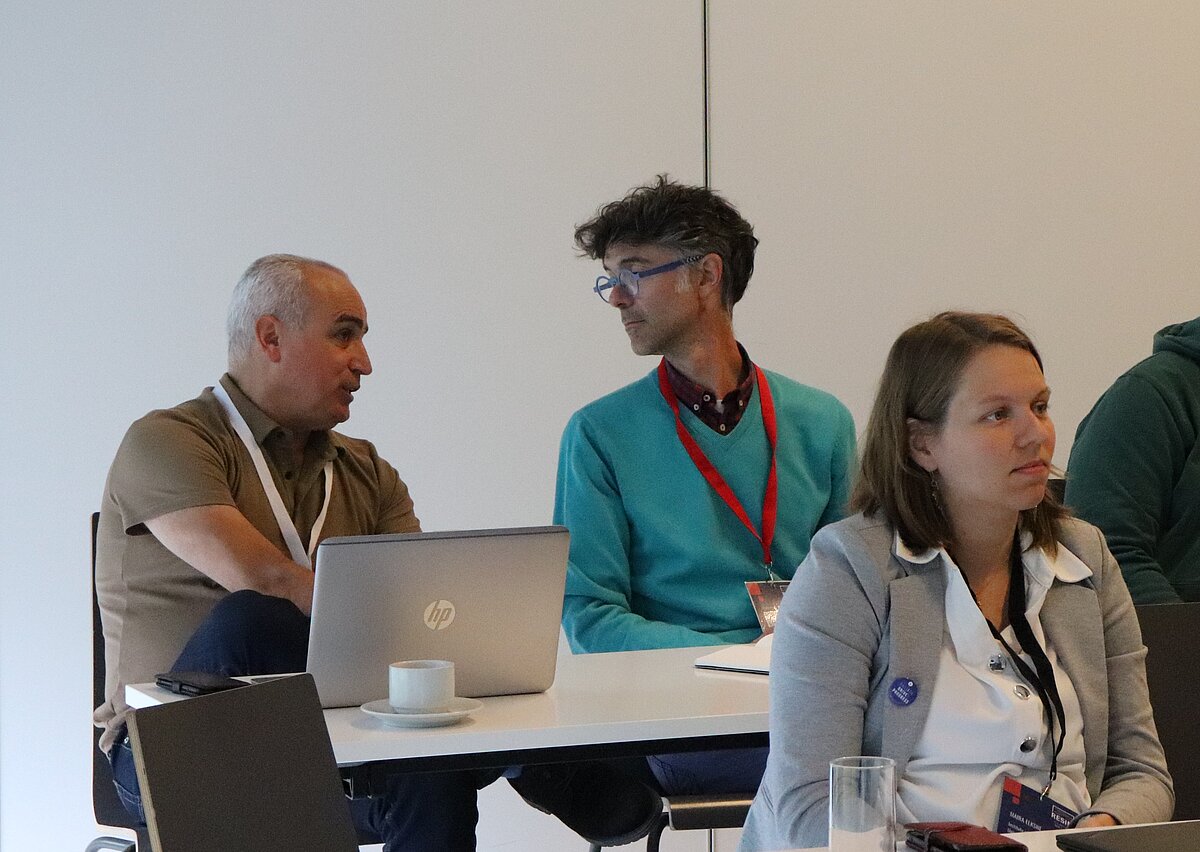
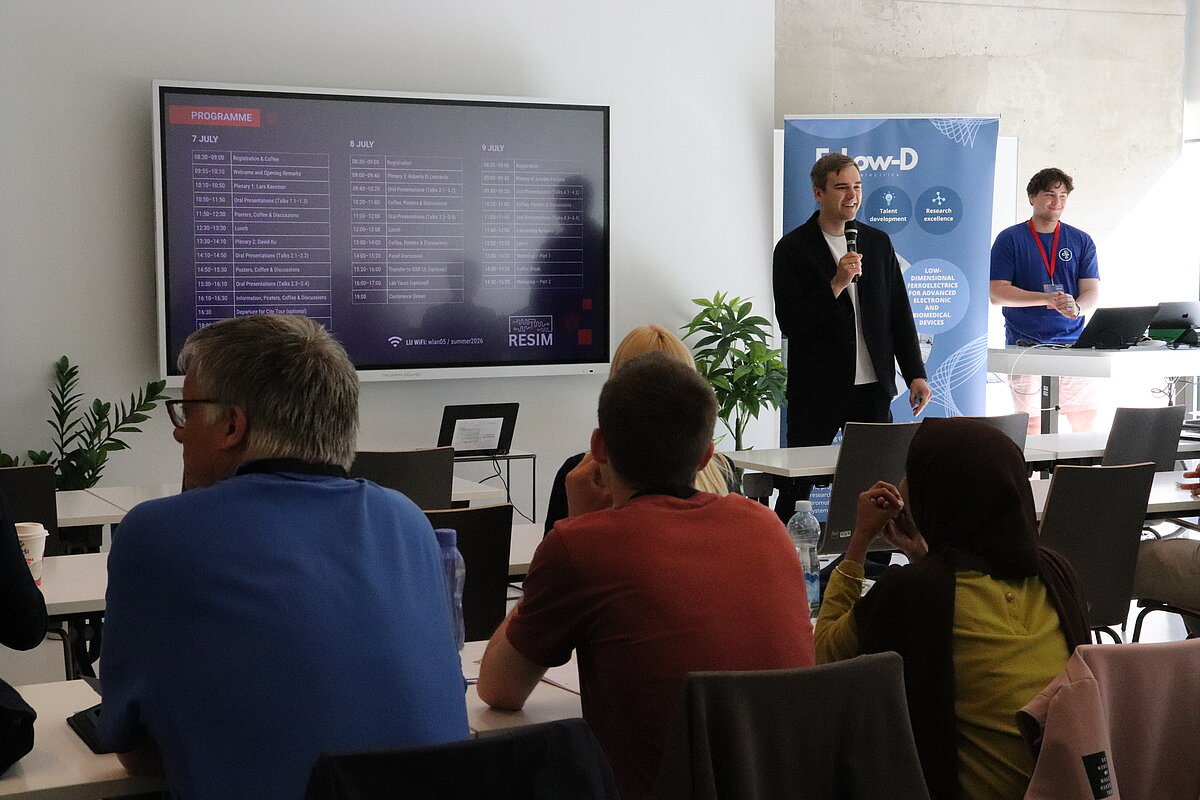
The symposium highlighted fundamental research in biophysics and its practical applications. Special emphasis was placed on the physical intelligence of single cells and cellular collectives, exploring the principles that enable swimming microparticles and small-scale robots to sense signals, make decisions, and operate.
Presentations and discussions during the event focused on four rapidly growing areas:
- Mechanobiology and rheology of biosuspensions: Explaining how complex biological suspensions sense signals, respond, and adapt in physiological and biomimetic environments.
- Microfluidics and lab-on-a-chip platforms: Driving emerging micro/nanotechnologies from design development to clinical application and diagnostics.
- Micro and nanosensors, actuators: Enabling real-time detection of metabolites and pathogens and triggering targeted actions in microrobots.
- Active matter and microrobotics: Navigating simple and complex fluids using biohybrid and synthetic microparticles, as well as intelligent delivery systems.
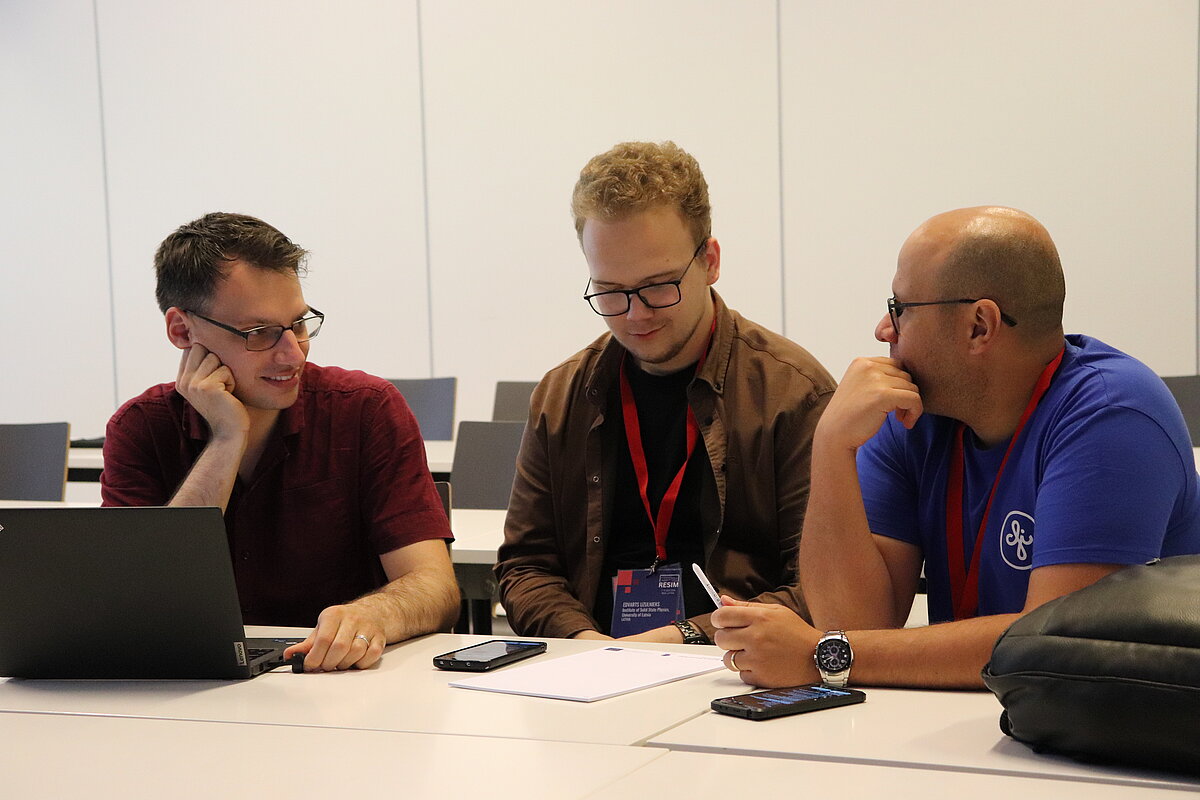
In addition to scientific presentations, the symposium offered participants hands-on experience through interactive workshops. Working in teams, researchers developed concepts for biorobotics solutions and outlined the first steps for their actual design and application.
The symposium was organized by Institute of Solid State Physics, University of Latvia and the EU-funded BioMagnetLink project, and supported by the ERDF project FeLow-D.
